


There’s no better place to grow up than Southern California. Between the salty breeze, school plays, and family bike rides down The Strand, the coastal lifestyle is the stuff childhood dreams are made of. But as parents know, real life also means homework, screen-heavy classrooms, and winding down with an iPad after dinner, all of which can put your child’s vision at risk.
Myopia, or nearsightedness, is on the rise among kids, especially in high-achieving areas where schoolwork starts early and screen exposure is constant. If your child already wears glasses or has been recently diagnosed with myopia, you’ve probably heard a few terms like “myopia progression” or “myopia management” tossed around.
You can read more about those details here, but today we’re tackling something a little different: how lifestyle habits in places like Manhattan Beach can either help or hurt your child’s eyesight.
Why Lifestyle Habits Matter
Most parents assume that once their child gets glasses, the problem’s been solved. But glasses only correct blurry vision; they don’t slow the progression of myopia itself. That’s where lifestyle comes in.
The more time kids spend indoors and focused on up-close tasks (like reading or using devices), the more likely their myopia is to worsen. Fortunately, simple changes can make a difference, especially when paired with an eye care plan that tracks their progress and adjusts as they go.
Sunshine Isn’t Just for Vitamin D
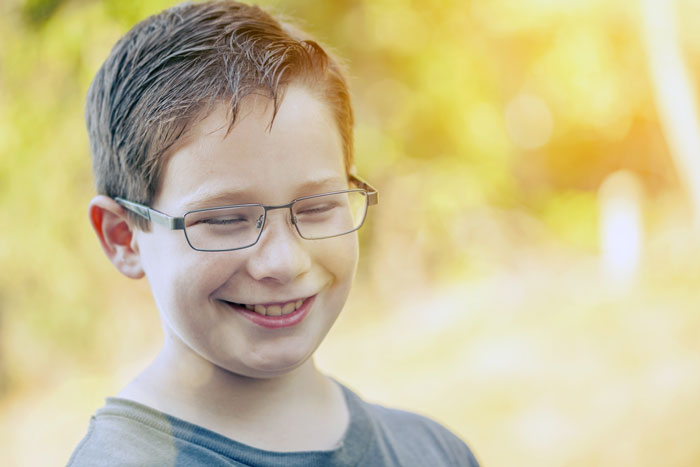
Outdoor time is one of the best natural tools for supporting healthy visual development. Research shows that at least 90 minutes a day outside can slow the onset and progression of myopia.
This doesn’t mean they need to be playing sports all afternoon (though that’s great, too), even casual outdoor play or reading under a shady tree can help.
Indoor Time Doesn’t Have to Be a Problem
Look, we get it, even in Manhattan Beach, kids still have to do homework, study, and log into class assignments. Some days, it’s more laptop than lifeguard tower. That’s why it’s important to build habits that support eye health while they’re indoors, too.
Here are a few simple guidelines to follow:
- The 20-20-20 Rule: Every 20 minutes, have your child look at something 20 feet away for at least 20 seconds. This gives their eyes a much-needed break from close-up focus.
- Good lighting matters: Make sure homework and reading time happen in well-lit rooms. Dim light makes the eyes work harder, which can contribute to eye fatigue.
- Watch for squinting or eye rubbing: These may be signs that your child’s current glasses prescription isn’t doing the trick, or that myopia is progressing.
Being proactive at home supports whatever treatment or tracking plan our Manhattan Beach optometrist sets up.
Myopia is About More Than “Fixing” Vision
One of the most misunderstood parts of myopia is that it’s not just about needing stronger glasses. As myopia progresses, the shape of the eye continues to elongate, which can increase the risk for severe vision issues later in life, things like retinal detachment or early-onset glaucoma.
At Look Optometry, we’re focused on protecting your child’s long-term eye health. We offer personalized eye exams that track changes over time, lifestyle tips that actually work, and treatment plans tailored to your child’s needs and habits.
Myopia Treatments at Look Optometry
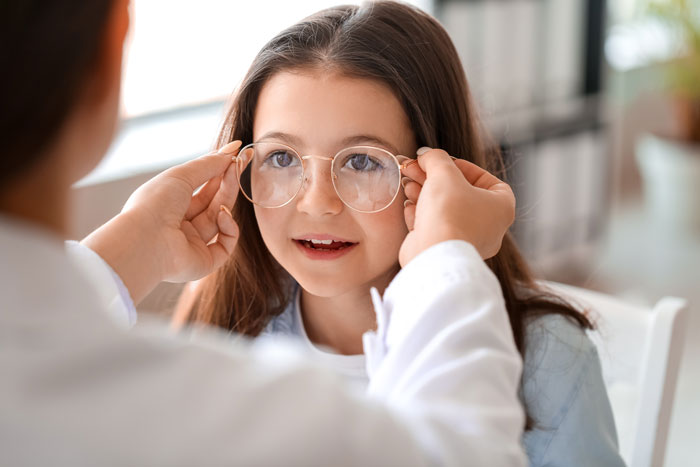
We take a flexible, SoCal-friendly approach to myopia management, meaning we work with your child’s schedule, comfort level, and vision goals. Here are two proven treatment options we offer at our Manhattan Beach office:
- Orthokeratology (Ortho-K) Lenses: These are unique contact lenses worn overnight to gently reshape the surface of the eye while your child sleeps. In the morning, they wake up with clear vision—no glasses or contact lenses needed. Ortho-k also slows myopia progression, making it a great option for active kids and teens.
- Low-Dose Atropine Eye Drops: These medicated eye drops are used once a day, usually at bedtime. They don’t affect daily vision but help slow the eye’s elongation. This option is ideal for younger kids or anyone not quite ready for contact lenses.
- MiSight® 1-Day Contact Lenses: These FDA-approved daily disposable lenses are designed for children with myopia. Worn during the day like regular contacts, MiSight® lenses correct vision and simultaneously work to slow the progression of myopia. They’re ideal for children eight and older who are comfortable wearing soft lenses.

Why Manhattan Beach Parents Are Paying Attention
Parents in Manhattan Beach tend to be proactive, health-conscious, and tuned in to their kids’ development. Whether you’re talking to your pediatrician about nutrition or watching for signs of academic stress, you want to make sure nothing’s slipping through the cracks. Vision should be on that list, especially if your child is spending more time on tablets and less time outside.
Luckily, this community already values balance, so it’s not a big leap to apply that same mindset to your child’s eye health.

Partnering with You for Clearer Vision
At Look Optometry, we make managing myopia feel less like a medical task and more like a natural part of raising kids in SoCal. We combine thorough care with a breezy, laid-back approach that keeps parents and kids at ease.
Whether you’ve got questions about screen time, want to explore treatment options, or just need a vision check-up for peace of mind, we’re here for it.
We love being your local eye doctors in the heart of Manhattan Beach, and we’re ready to help your family navigate this together. Stop by Look Optometry in Manhattan Beach or request an appointment online.