


A child sits in the back row at school and squints at the whiteboard. They move closer to the television without realizing it. They hold books inches from their face like they’re trying to climb inside the story.
For many families, these moments mark the beginning of myopia.
Myopia, also called nearsightedness, has become dramatically more common over the past few decades. Children today spend more time indoors, more time on screens, and more time focusing on nearby objects than any previous generation. The result shows up in classrooms everywhere: more children needing glasses at younger ages.
At Look! Optometry, myopia care goes beyond updating prescriptions every year. Modern myopia management focuses on slowing progression and protecting long-term eye health as children grow.
What Is Myopia?
Myopia causes distant objects to appear blurry while nearby objects remain clear.
The condition develops when the eye grows too long from front to back, or when the cornea bends light too strongly. Instead of focusing directly on the retina, light lands slightly in front of it, which creates blurry distance vision.
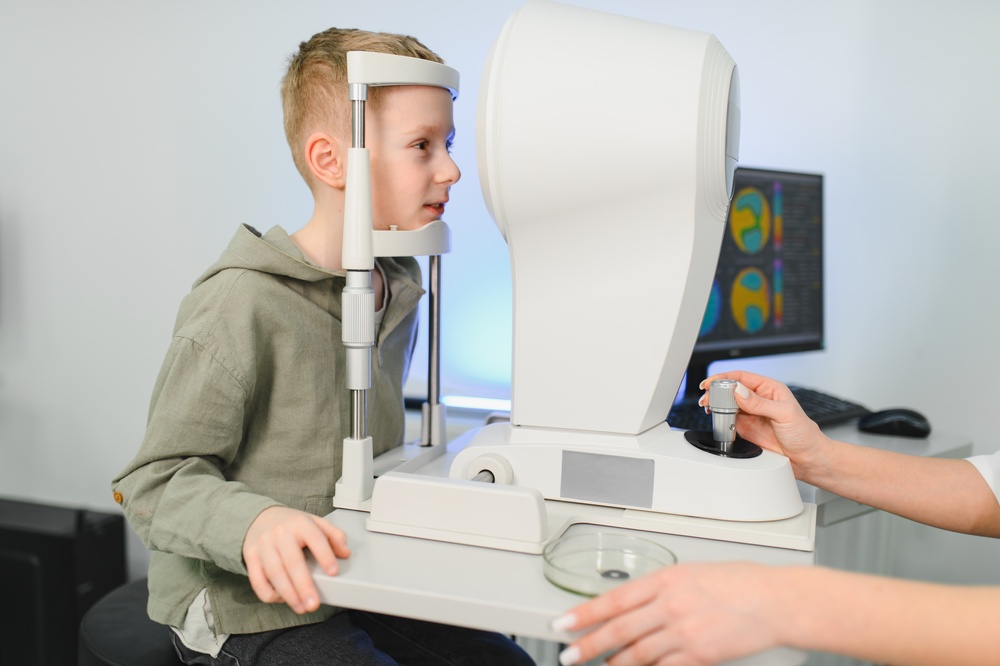

Children with myopia may experience:
- Squinting
- Sitting close to screens
- Holding books very close
- Frequent headaches
- Eye strain during schoolwork
- Trouble seeing the board in class
- Increased blinking or rubbing the eyes
Myopia often begins during elementary school years and can continue progressing through the teenage years.
For many parents, the first sign appears quietly. A child loses interest in reading from far away. They avoid sports that rely on distance vision. School performance shifts in subtle ways. Sometimes children assume everyone sees the world the same blurry way they do.
Rising Myopia Rates Have Eye Doctors Concerned
Myopia has become far more common worldwide, especially among children and young adults.
Researchers believe lifestyle changes play a major role. More close-up work, reduced outdoor time, and heavy screen use all appear connected to rising myopia rates.
Outdoor time matters more than many people realize. Natural daylight supports healthy visual development in growing eyes. Children who spend more time outside may have a lower risk of developing progressing myopia.
The concern extends beyond thicker glasses prescriptions. Higher levels of myopia increase the lifetime risk of serious eye conditions later on, including:
That’s why early intervention matters. Slowing nearsightedness progression during childhood can help reduce long-term risks in adulthood.
Myopia Control Has Changed the Conversation
Years ago, eye care often focused only on stronger glasses as nearsightedness progressed. Today, doctors can take a more proactive approach.
Myopia control treatments aim to slow how quickly the eye changes during childhood development. While these treatments do not “cure” nearsightedness, they may help reduce how severe it becomes over time.
Several modern treatment options may help manage myopia progression, including:
- Specialized contact lenses
- Orthokeratology (Ortho-K) lenses worn overnight
- Multifocal soft contact lenses
- Prescription eye drops
- Lifestyle recommendations that support visual health
The right treatment depends on the child’s age, prescription, lifestyle, and overall eye health.
For many families, myopia management feels empowering. Instead of simply watching vision worsen year after year, parents have options that actively support healthier visual development.
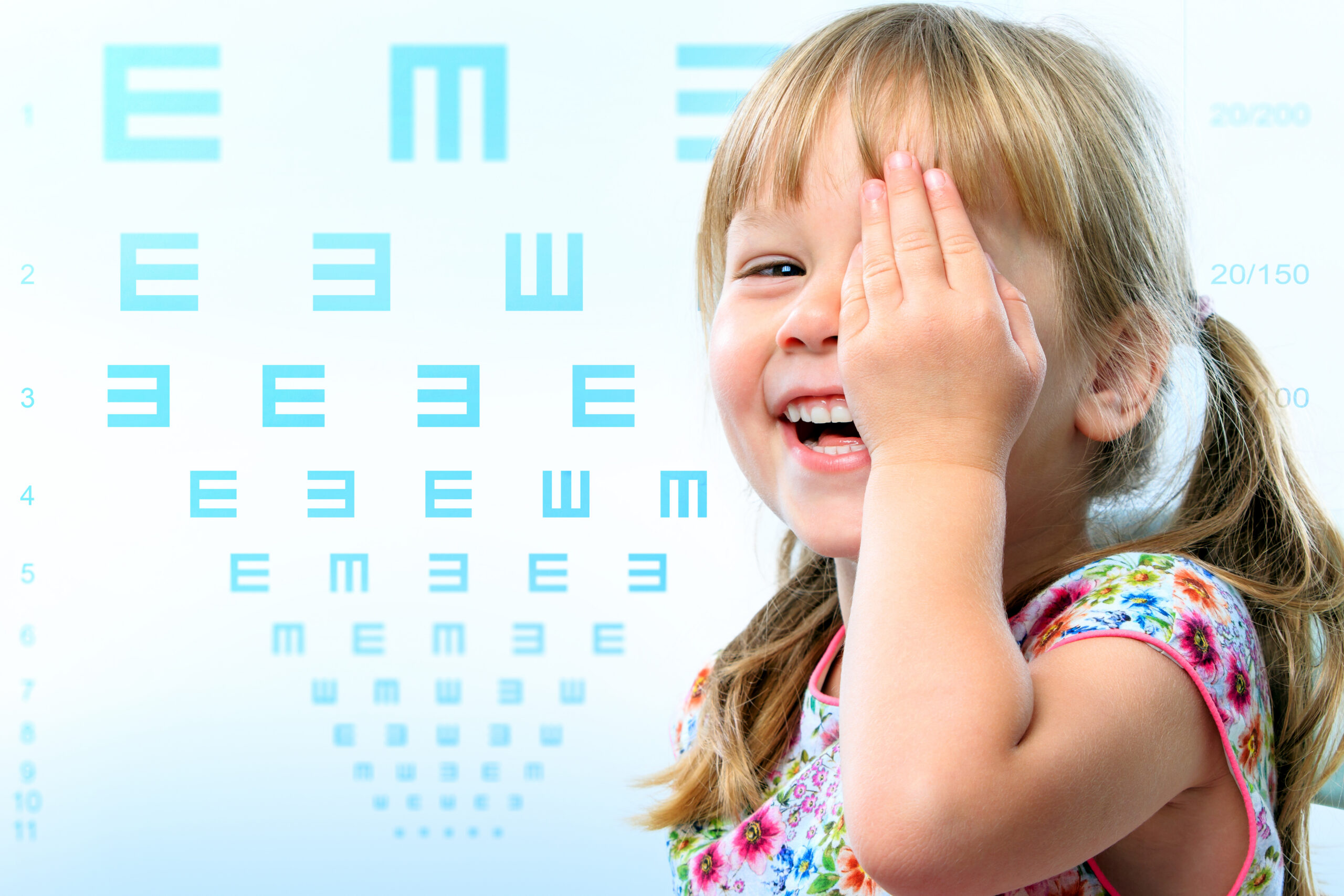
Screens and Modern Childhood
Screens have become part of daily life. Homework happens on tablets. Entertainment lives on phones. Even classrooms rely heavily on digital learning.
Technology itself does not “cause” nearsightedness on its own, but long periods of near-focused work can place heavy visual demands on growing eyes.
Healthy visual habits can help reduce strain throughout the day:
- Encourage regular outdoor play
- Take screen breaks every 20 minutes
- Create balanced lighting during homework
- Keep screens at a comfortable distance
- Schedule routine pediatric eye exams
Children rarely recognize when their vision changes gradually. Comprehensive eye exams remain one of the best ways to catch nearsightedness early and monitor progression over time.

Myopia Care at Look! Optometry
Children experience the world through their vision. The classroom, the soccer field, books before bedtime, faces across the dinner table, all of it depends on healthy sight.
At Look! Optometry, myopia management combines modern technology with personalized care in a relaxed, welcoming environment. The team works closely with families to monitor eye development, explain treatment options clearly, and build care plans that fit each child’s needs.
Early care can make a meaningful difference in long-term eye health. If your child squints often, struggles to see far away, or needs stronger prescriptions each year, a comprehensive eye exam can help uncover what’s changing beneath the surface.
FAQ About Myopia
At what age does myopia usually begin?
- Nearsightedness often begins during childhood, especially between ages six and 12.
Can screen time worsen myopia?
- Heavy near work and long screen sessions may contribute to myopia progression, especially when balanced outdoor time is limited.
Is myopia hereditary?
- Yes. Children with one or both parents who have nearsightedness may have a higher risk of developing it.
Can myopia be slowed down?
- Modern nearsightedness control treatments may help slow progression during childhood and teenage years.
How often should children have eye exams?
- Children should receive routine eye exams based on their doctor’s recommendations, especially if myopia already exists or runs in the family.