


Dry eye has become one of the most common reasons people visit the eye doctor, especially for adults who spend long hours on computers, wear contact lenses, or live in dry, sunny climates. The good news is simple: relief starts with finding the real source of the problem.
At Look! Optometry, dry eye care goes beyond basic eye drops. Modern testing and personalized treatment can help patients find long-term comfort and clearer vision.
Dry Eye Is More Than a Minor Irritation
Many people think dry eye means the eyes simply “need more moisture.” In reality, dry eye is often tied to tear quality, inflammation, or blocked oil glands around the eyelids.
Healthy tears contain three important layers: water, oil, and mucus. These layers work together to keep the eye smooth, comfortable, and protected. When one layer falls out of balance, the tear film breaks apart too quickly. The surface of the eye dries out, which leads to irritation and unstable vision.
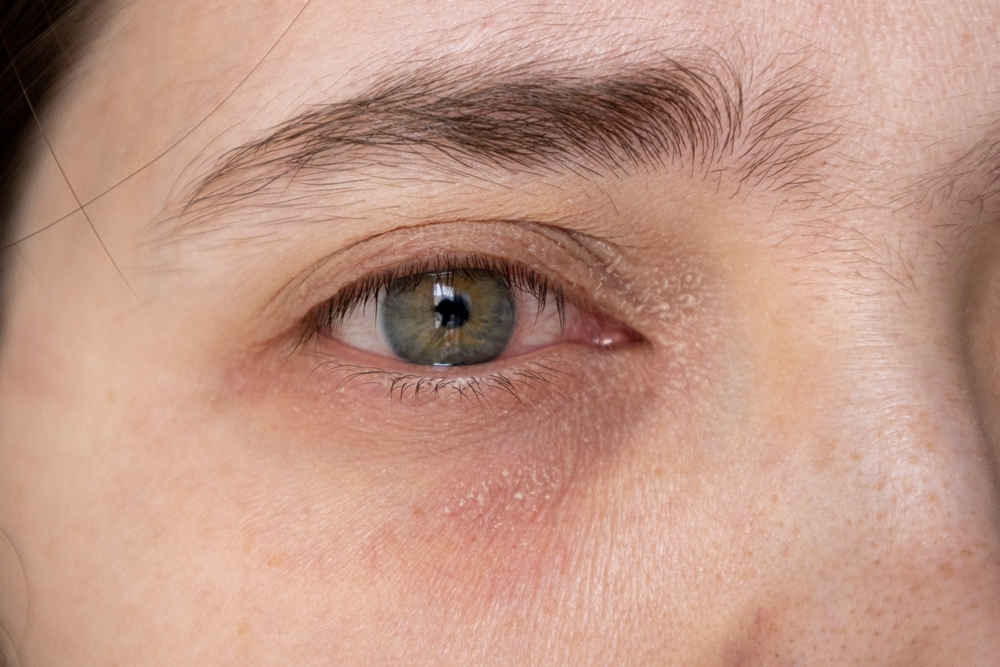

- Burning or stinging eyes
- Redness
- Blurry vision that comes and goes
- Watery eyes
- Light sensitivity
- A gritty or sandy feeling
- Eye fatigue during screen time
- Discomfort while wearing contact lenses
Watery eyes surprise many patients. It sounds backward, yet irritated eyes often flood themselves with poor-quality tears that evaporate too quickly to solve the problem.
Modern Life Pushes the Eyes Hard
The modern world asks a lot from the human eye.
People blink less while staring at phones, laptops, and tablets. Air conditioning dries indoor spaces. Ceiling fans keep air moving across the surface of the eye. Long commutes and late nights leave the eyes strained before the day even starts.
Contact lenses can also contribute to dryness, especially when the eye surface already struggles to stay balanced.
Age plays a role as well. Tear production naturally changes over time, especially after age 50. Hormonal shifts, certain medications, allergies, and underlying health conditions can also contribute to chronic dry eye.
For some patients, the issue begins in the meibomian glands. These tiny glands line the eyelids and release oils that keep tears from evaporating too quickly. When the glands become blocked or unhealthy, the tears lose stability fast. This condition, called meibomian gland dysfunction, remains one of the leading causes of dry eye.
Dry Eye Can Affect Daily Life More Than People Expect
Dry eye rarely stays small.
Patients often describe a slow buildup of frustration. Their eyes tire faster during work. Night driving feels harder because lights scatter and glare. Reading becomes uncomfortable halfway through the page. Contact lenses stop feeling wearable by mid-afternoon.
Even concentration can suffer. When the eyes feel irritated all day, the body stays distracted by discomfort.
Many people spend months cycling through drugstore eye drops before visiting an eye doctor. Some drops offer short bursts of relief, while others can actually worsen irritation when used too often.
That’s why a proper dry eye evaluation matters. Finding the root cause changes the entire treatment approach.
Dry Eye Treatment Has Changed Dramatically
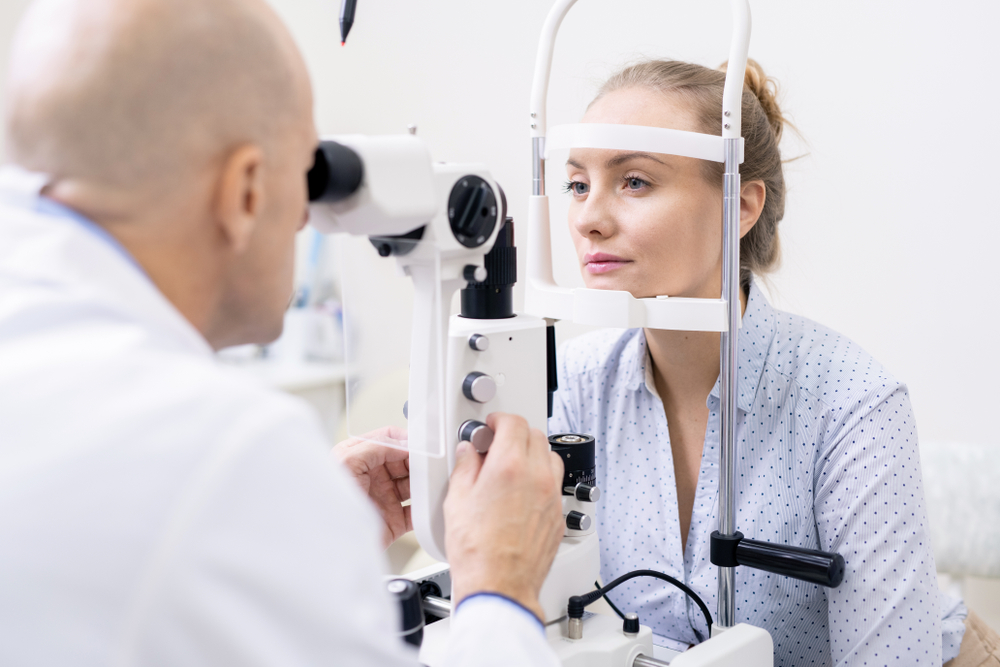
Dry eye treatment used to revolve around artificial tears alone. Today, eye doctors can look much deeper at how the tear film functions and where the breakdown begins.
At Look! Optometry, treatment plans depend on the patient’s specific symptoms, lifestyle, and eye health needs. One patient may benefit from eyelid hygiene and heat therapy, while another may need prescription treatment or advanced in-office care.
Treatment options may include:
- Preservative-free artificial tears
- Warm compresses for blocked oil glands
- Prescription eye drops
- Lid hygiene treatments
- Nutritional support like omega-3 fatty acids
- Changes to contact lens wear
- In-office dry eye therapies
Small daily habits can also make a real difference. Taking screen breaks, blinking more often during computer work, staying hydrated, and wearing sunglasses outdoors can help protect the tear film throughout the day.

Dry Eye Care at Look! Optometry
Dry eye often feels invisible to everyone except the person living with it. That’s why personalized care matters.
The team at Look! Optometry combines modern technology with a relaxed, welcoming approach to eye care. Patients receive thoughtful evaluations designed to uncover what’s really driving their symptoms, whether the issue stems from screen fatigue, contact lens wear, aging, or meibomian gland dysfunction.
Comfort changes everything. Clearer, healthier eyes can make long workdays easier, improve reading and driving, and bring back the simple ease people miss when their eyes constantly feel irritated.
If your eyes feel dry, tired, watery, or uncomfortable, a dry eye evaluation can help you move toward lasting relief.
FAQ About Dry Eye
Can dry eye cause blurry vision?
- Yes. An unstable tear film can cause vision to fluctuate throughout the day, especially during screen use or reading.
Do screens make dry eye worse?
- They can. People blink less while using phones, computers, and tablets, which allows tears to evaporate faster.
Are watery eyes a sign of dry eye?
- Yes. Irritated eyes sometimes produce excessive reflex tears that lack the right balance to properly lubricate the eye.
Can contact lenses cause dry eye?
- Contact lenses can contribute to dryness, especially if the tear film already struggles to stay stable.
When should I see an eye doctor for dry eye?
- If symptoms continue for more than a few weeks, interfere with daily activities, or keep returning despite eye drops, it’s time for a professional evaluation.